

Benefits of Sauna in Winter: A Practical Guide for Toronto Homeowners
How Saunas Work and Why Winter Changes the Experience
A sauna creates controlled heat that raises your core temperature, increases circulation, and encourages sweating. The body responds by flushing toxins, relaxing muscles, and triggering recovery responses similar to light cardiovascular exercise.
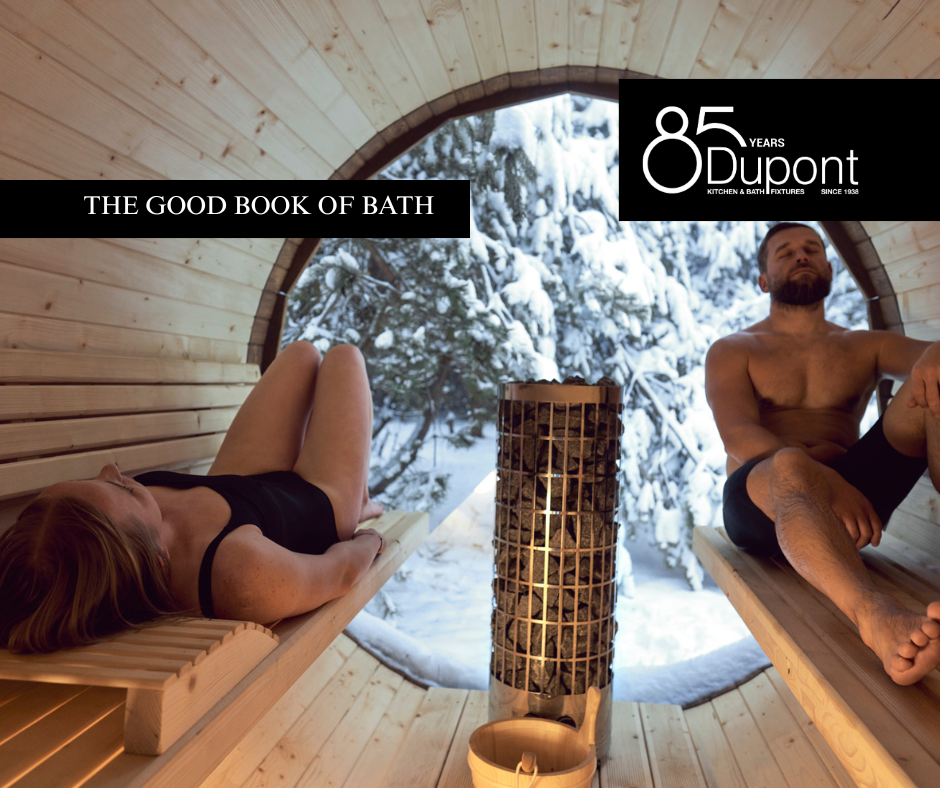
In winter, this process becomes more impactful because of the contrast between cold outdoor temperatures and warm indoor heat. That contrast is one of the key reasons sauna use is so effective during colder months.
What Changes in Winter Conditions
• Colder ambient temperatures increase muscle stiffness
• Reduced sunlight impacts mood and sleep patterns
• Dry indoor air affects skin and respiratory comfort
• Outdoor activity often leads to cold-related aches and fatigue
A sauna directly counteracts many of these issues by delivering consistent, penetrating heat in a controlled environment.
Key Benefits of Sauna in Winter
Improved Circulation and Warmth Retention
Cold weather causes blood vessels to constrict, especially in hands, feet, and joints. Sauna heat encourages vasodilation, improving blood flow and helping the body retain warmth even after the session ends.
Many Toronto homeowners report feeling warmer for hours after sauna use, particularly during evening sessions when cold exposure is highest.
Muscle Recovery and Joint Relief
Winter often means less movement and more stiffness. Snow shovelling, slipping hazards, and cold muscles increase strain on joints and lower back areas.
Regular sauna use helps by:
• Relaxing tight muscles
• Reducing joint stiffness
• Supporting post-activity recovery
• Improving flexibility over time
This is especially valuable for homeowners who stay active year-round or work in physically demanding jobs.
Respiratory Comfort in Dry Indoor Air
Ontario winters bring extremely dry indoor air due to forced heating systems. This can lead to nasal dryness, congestion, and irritation.
Traditional saunas with controlled humidity, or steam-style systems, can help moisturize airways and promote easier breathing when used responsibly.
Mental Health and Seasonal Wellbeing
Seasonal Affective Disorder (SAD) and winter fatigue are common in Canada. Sauna sessions provide a quiet, warm space that supports relaxation and stress reduction.
From a practical standpoint, the combination of heat exposure and downtime can help:
• Reduce stress levels
• Improve sleep quality
• Create a winter wellness routine
• Provide consistent mental reset
This is one of the most overlooked benefits of sauna in winter, especially for busy homeowners and professionals.
Types of Saunas and How They Perform in Winter
Not all saunas are equal, especially in a cold climate like Toronto.
Traditional Finnish Saunas
These use electric or wood-burning heaters to warm the air and surrounding materials. In residential settings, electric heaters are far more common and practical.
Pros:
• High heat output
• Excellent for winter contrast therapy
• Durable when properly installed
Considerations:
• Requires proper insulation
• Electrical capacity must be adequate
Infrared Saunas
Infrared saunas heat the body directly rather than the air. They operate at lower temperatures.
Pros:
• Lower electrical demand
• Faster warm-up times
• Comfortable for users sensitive to high heat
Limitations in winter:
• Less ambient warmth
• Reduced “hot-to-cold” contrast effect
• Not ideal for users seeking traditional sauna feel
Steam Rooms vs Saunas
Steam rooms operate at lower temperatures with high humidity. While beneficial for respiratory comfort, they require more intensive waterproofing and maintenance.
In Toronto homes, steam rooms must be planned carefully with:
• Proper vapour barriers
• Professional waterproofing systems
• Code-compliant ventilation
You can explore professionally designed steam and sauna options in our wellness collections at:
https://www.dupontplumbing.com/bath/steam-baths/
Common Mistakes Homeowners Make
Underestimating Insulation Requirements
Winter performance depends heavily on insulation. Poorly insulated sauna walls lead to heat loss, slow warm-up times, and higher energy costs.
Choosing Heaters Based on Minimum Size
Heater sizing should account for:
• Ceiling height
• Glass surfaces
• Exterior-facing walls
• Toronto winter temperatures
Undersized heaters struggle in winter and wear out faster.
Ignoring Electrical Planning
Many sauna heaters require dedicated circuits. In older Toronto homes, panel upgrades are sometimes needed. This must be assessed before installation.
What Professionals Look for When Planning a Sauna
Designers and plumbers focus on long-term performance, not just appearance.
Key professional considerations include:
• Heater reliability and parts availability in Canada
• Quality of cedar or interior wood materials
• Moisture management and ventilation
• Service access for future maintenance
These are details that determine whether a sauna performs well for 20 years or becomes a problem after five.
Planning a Sauna for a Toronto Home
Location Matters
Basements are common sauna locations in the GTA, but:
• Ceiling height must be adequate
• Moisture control is critical
• Drainage planning is often required
Main-floor and backyard installations are also possible with proper planning.
Materials That Handle Winter Conditions
Canadian winters demand materials that resist:
• Temperature swings
• Moisture exposure
• Wood movement and cracking
Low-grade woods and imported kits often fail prematurely in Ontario conditions.
Code and Climate Considerations
Electrical, ventilation, and waterproofing standards vary by municipality. A sauna should always be installed with local codes in mind to avoid future issues during resale or renovations.
Dupont Insight: Why Cheaper Saunas Cost More Over Time
We regularly see homeowners replace budget sauna kits within a few years due to:
• Heater failure
• Warped interiors
• Inadequate heat output
• Moisture damage
A properly designed sauna costs more upfront but delivers:
• Stable winter performance
• Lower maintenance
• Consistent comfort
• Better resale value
This is where expert guidance matters.
Frequently Asked Questions
Is a sauna safe to use every day in winter?
Yes, for most healthy adults. Daily use at reasonable session lengths is common in cold climates. Always hydrate and follow manufacturer guidelines.
Does a sauna increase heating costs in winter?
A properly insulated sauna uses less energy than many expect. The key is correct heater sizing and construction.
Can a sauna be installed in a Toronto basement?
Yes, but ceiling height, ventilation, and moisture management must be addressed carefully.
Is infrared or traditional sauna better for winter?
Traditional saunas generally perform better in winter due to higher heat output and ambient warmth.
Do saunas help with winter aches and stiffness?
Yes. Improved circulation and muscle relaxation are among the most consistent benefits reported by users.
A Practical Closing Perspective
The benefits of sauna in winter go beyond comfort. In a Toronto climate, a well-designed sauna supports physical recovery, mental wellbeing, and long-term home value. Like any serious home feature, results depend on proper planning, quality components, and expert advice.
At Dupont Kitchen & Bath Fixtures, we help homeowners, designers, and contractors navigate these decisions every day. Whether you are planning a full renovation or exploring wellness upgrades, informed guidance makes the difference between a short-term feature and a long-term asset.